

Our research
Scroll through the research topics below to see our current research themes and ongoing projects.
Social immunity in group living birds
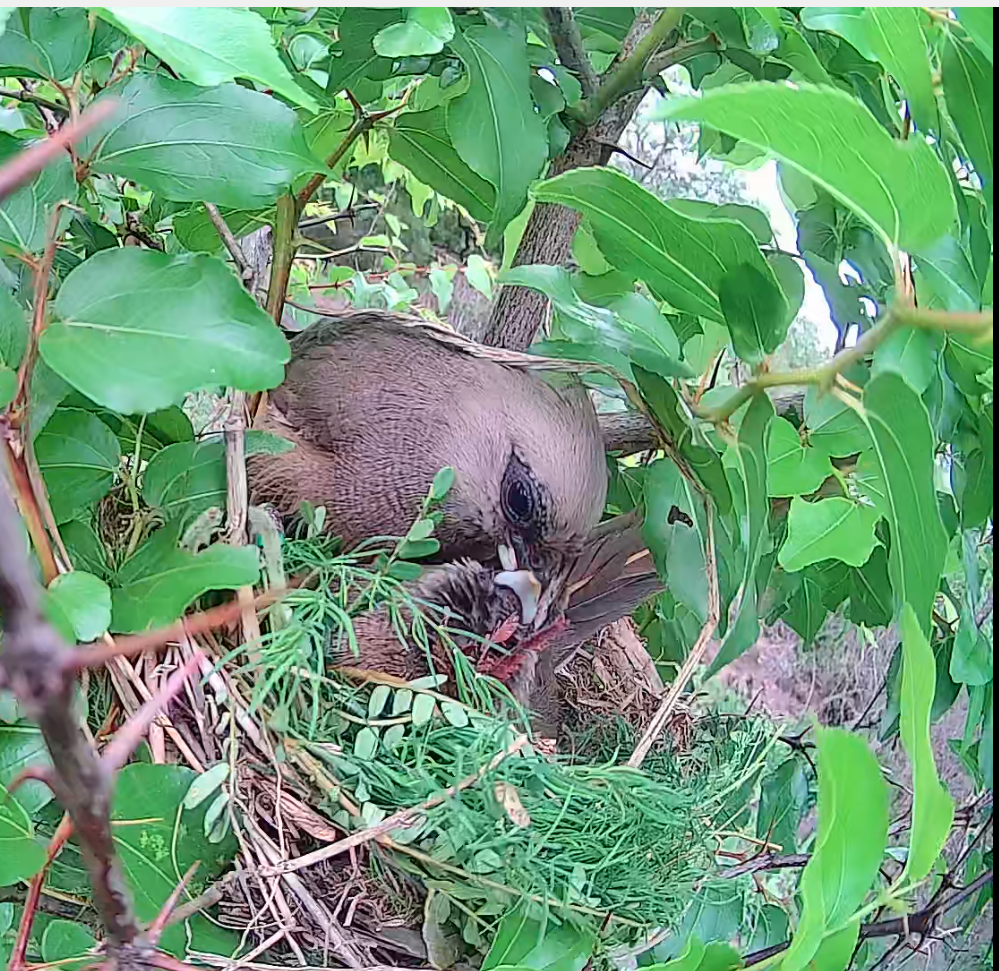
Animals living in groups are at greater risk of contracting infectious diseases than those that live alone. Why do so many animal species form groups if this is so costly for individual health? In this project, we test whether group-living birds counteract the increased risk of infection by disinfecting each other and sharing immune-boosting molecules with each other in saliva, feather oils, eggs and perhaps even faeces. Understanding how social animals work together to defend themselves against infection will greatly advance our understanding of the role parasites play in animal social life.
Lead researcher:
Kat Bebbington
Predation and cooperative breeding
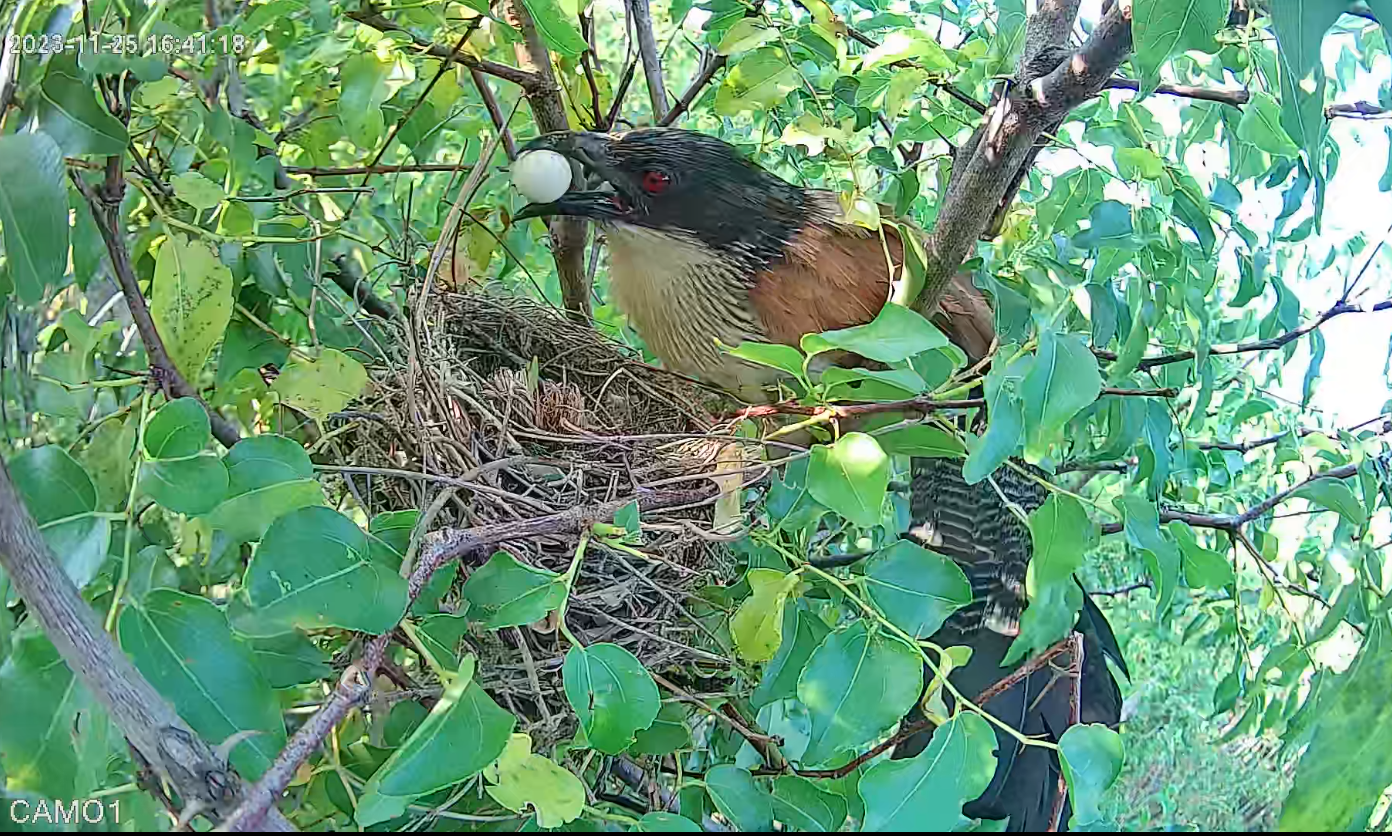
Why individuals in cooperatively breeding animal species selflessly forego reproduction to help others instead is a longstanding evolutionary puzzle. Revealing the forces that select for such intriguing social systems is important in order to
understand the evolution of sociality and cooperation across the animal kingdom. In this project, we study the avian community breeding in acacia savannas of Eswatini to determine whether the risk of nest predation or nest parasitism explains the evolution of cooperative breeding in birds.
Lead researchers: Andries Janse van Vuuren and Sjouke A. Kingma

Climate effects on parental care
Global warming is causing animals to behave differently. For example: when it gets hotter, animals spend more time in shade. Eggs and nestlings of birds, however, cannot move themselves to avoid dangerous weather conditions; thus, nest locations are extremely important. A favourable nest environment is better for growth and development. In this project, we combine information on parental behaviour with nest characteristics, including vegetative and environmental factors, to assess the effect of climatic conditions on chick growth and breeding success. The results of this study will improve our knowledge on the responses of animals to climate warming.
Lead researchers: Elke Molenaar and Sjouke A. Kingma
Vegetation and breeding ecology of savanna birds
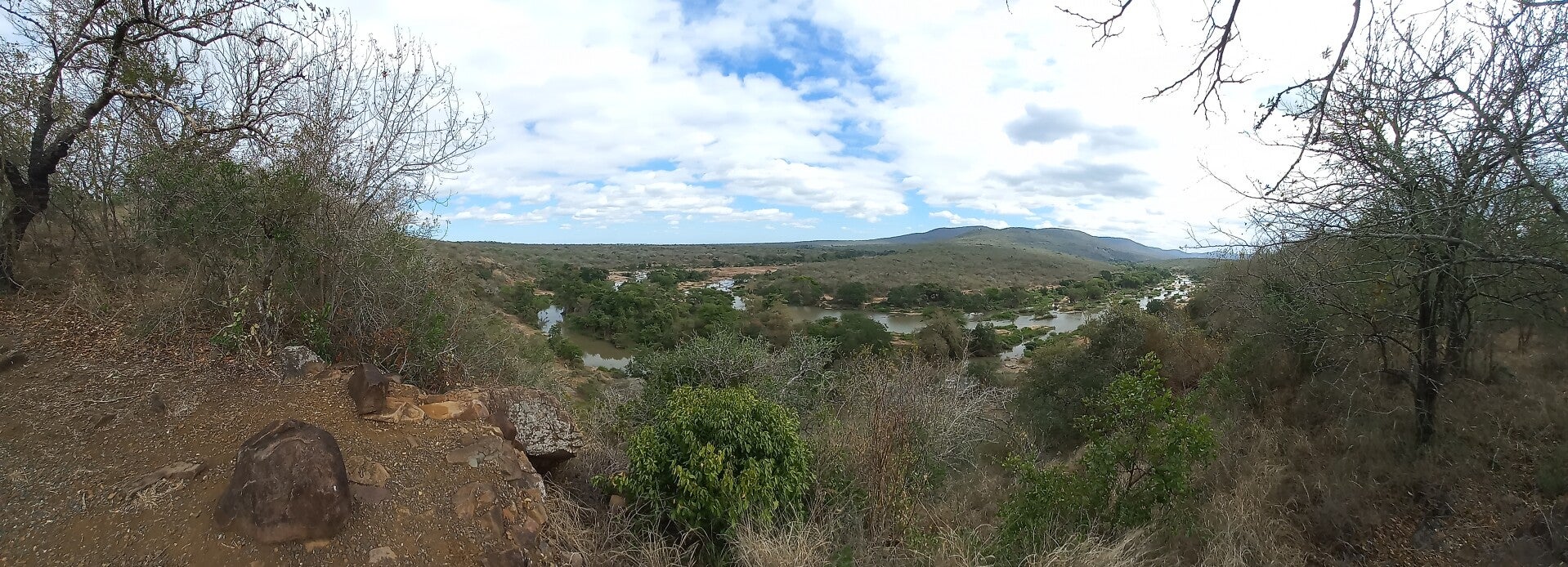
Southern African avian communities are much less well-understood than their counterparts in the Northern hemisphere. In this project, we combine a multi-year dataset on nesting locations, timing of breeding and the composition of the breeding bird community in Mbuluzi Game Reserve with state-of-the-art digital vegetation surveys to fill important gaps in our knowledge of breeding ecology and environmental variation in wild savanna birds.

The social system of the speckled mousebird
The speckled mousebird has a very complex social life. Large winter flocks split up in the breeding season: some birds breed in pairs, others form small groups where multiple females lay eggs in a joint nest. But this arrangement is far from peaceful; egg ejections and nest abandonment are not uncommon. Why do some birds breed in a group? How do birds form breeding bonds and how is this linked to their social life in the winter time? In this project, we study group composition in winter and in the breeding season, follow nesting attempts and record breeding behaviour to try and reveal the environmental and evolutionary drivers behind this complex social system.

Interactions between bush management and the avian community
Creating good management plans for Mbuluzi Game Reserve and other protected savanna habitats requires good understanding about how different bush management strategies affect tourism, large grazers, vegetation and the potential for invasive species spread, carnivores, invertebrates and of course birds. Working together with Mbuluzi manager Mandla Motsa we study the effect of bush management, such as burning regimes and bush clearing, affect movement and nesting behaviour in the savanna bird community. We hope this research can help to inform good management plans that can help to conserve and strengthen lowveld savanna ecosystems.